

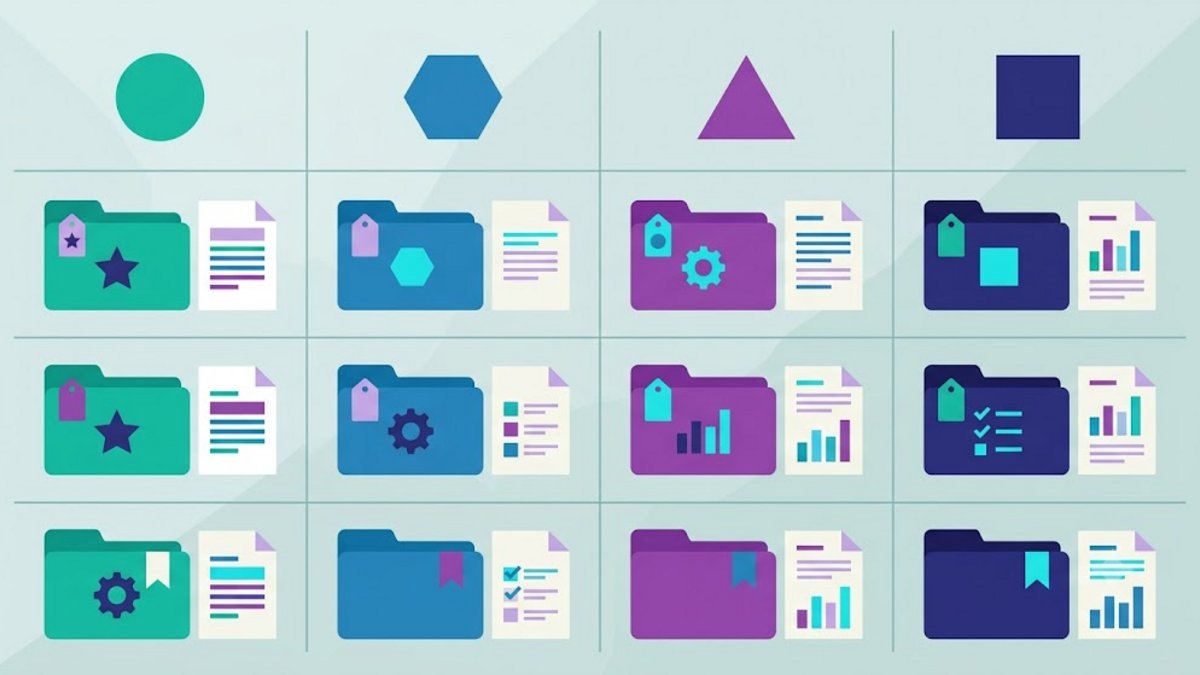
Categories group articles through many-to-many relationships. One article can fit into several categories, while a page does not use categories.
Identity and hierarchy
Each category has a name, unique slug, description, and optional parent. Parent forms a multilevel path. Avoid cycles and use short hierarchies to make URLs and navigation easy to understand.

Public access
Category paths use values category_path, by default category. Nested categories can produce nested paths. Public results contain only active categories and articles; The final appearance depends on the theme.
Permissions and Trash
Read, create, update, trash, restore, and purge are separate permissions. Scope can limit categories based on creator. Deleting a category the first time is a soft delete. Restore can fail if the slug is already used in the active category, whereas purge permanently deletes the record and the relationship follows database constraints.
Use stable names, factual descriptions, and a few categories that really help with searching. Don't promise specific breadcrumbs or SEO optimization because it depends on the theme or plugin.