Documentation

Development documentation for Jyavani CMS plugins.

Getting started with Jyavani CMS 2.3.74

Getting started with Jyavani CMS 2.3.74

Jyavani CMS 2.3.74 is a native PHP CMS without Composer runtime. Public entry is at public/router.php; configuration, dashboard, applications, plugins, schema, and private files are outside the correct web deployment root. First orientatio…

Read more →
Update, Reinstall, Backup, and Hard Reset

Update, Reinstall, Backup, and Hard Reset

CMS Update is only available to Site Owners who also own it core.updates.manage. Pages can check remote endpoints, receive manual ZIPs containing manifests, apply updates, or reinstall Core. Before the change database backups, cfg/.env, c…

Read more →
Recycle Bin and Soft Delete Content

Recycle Bin and Soft Delete Content

Recycle Bin Core applies to articles, pages, theme content, categories, and users who own them is_deleted/deleted_at. Media and File Libraries do not use the same soft delete contract. Trash, restore, purge The initial delete marks the rec…

Read more →
Widgets, Shortcodes and Presets

Widgets, Shortcodes and Presets

Jyavani distinguishes widget areas, Theme Zone gadgets, content shortcodes, and preset shortcodes. Each is rendered at a different stage. Sidebar and Theme Zones The sidebar zone contains items such as search, recent posts, HTML, or preset…

Read more →
SEO Core: Metadata, Canonical URL, and Sitemap

SEO Core: Metadata, Canonical URL, and Sitemap

Core provides the foundation for metadata, canonical URLs, and sitemaps. SEO results still depend on content, domain configuration, themes, crawl policies, and search engines; Core does not guarantee ranking or rich results. Document metad…

Read more →
User Management, Site Owner, Role, and Scope

User Management, Site Owner, Role, and Scope

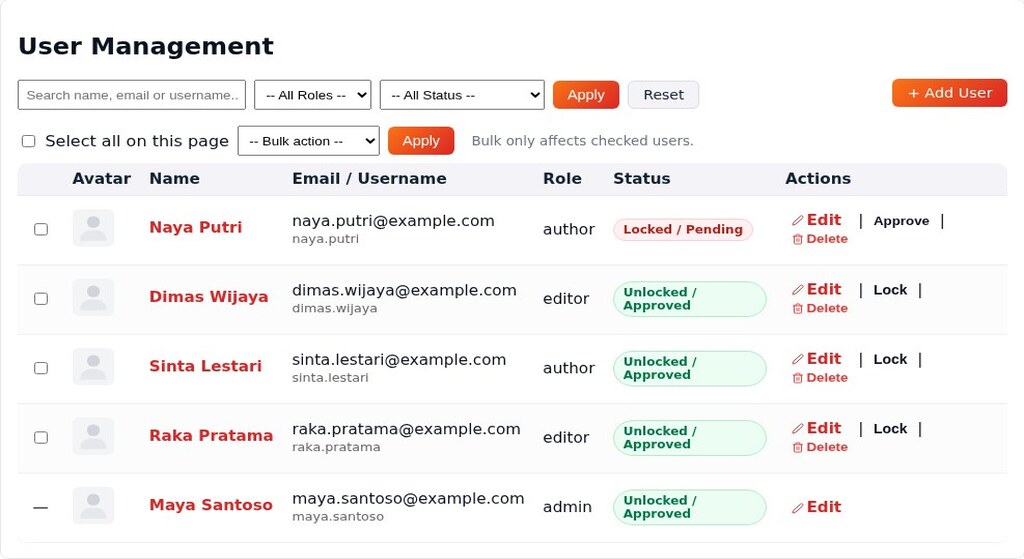
Jyavani Core 2.3.74 uses dynamic roles and permissions. The old role fields remain synchronized for compatibility, but new access decisions must use effective permissions and scope. SiteOwner Site Owner is a special account attribute, not …

Read more →
Site Settings and Authentication Paths

Site Settings and Authentication Paths

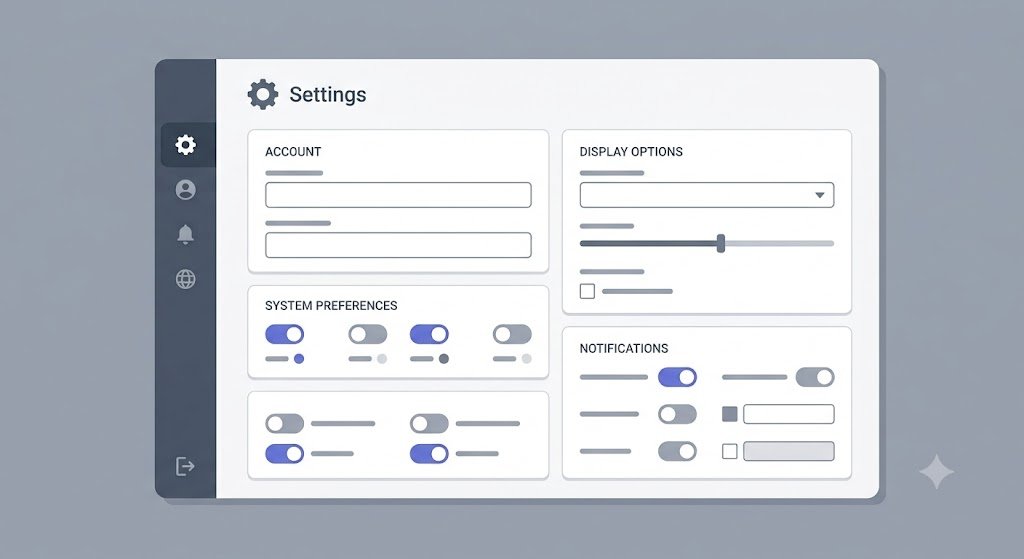
Settings separates site identity, language, authentication path, sidebar, permalink, and registration policy. Changes require setting permissions; some sensitive areas are also restricted to Site Owners. Identity and language Fill in the s…

Read more →
Plugin System: Manifest, Lifecycle, and Hooks

Plugin System: Manifest, Lifecycle, and Hooks

Plugin is trusted code below plugins/{name}/. plugin.json declare identity, plugin requirements, dashboard pages, navigation, assets, static copy, and permissions; PHP files provide hooks or route implementations. Installation and activati…

Read more →